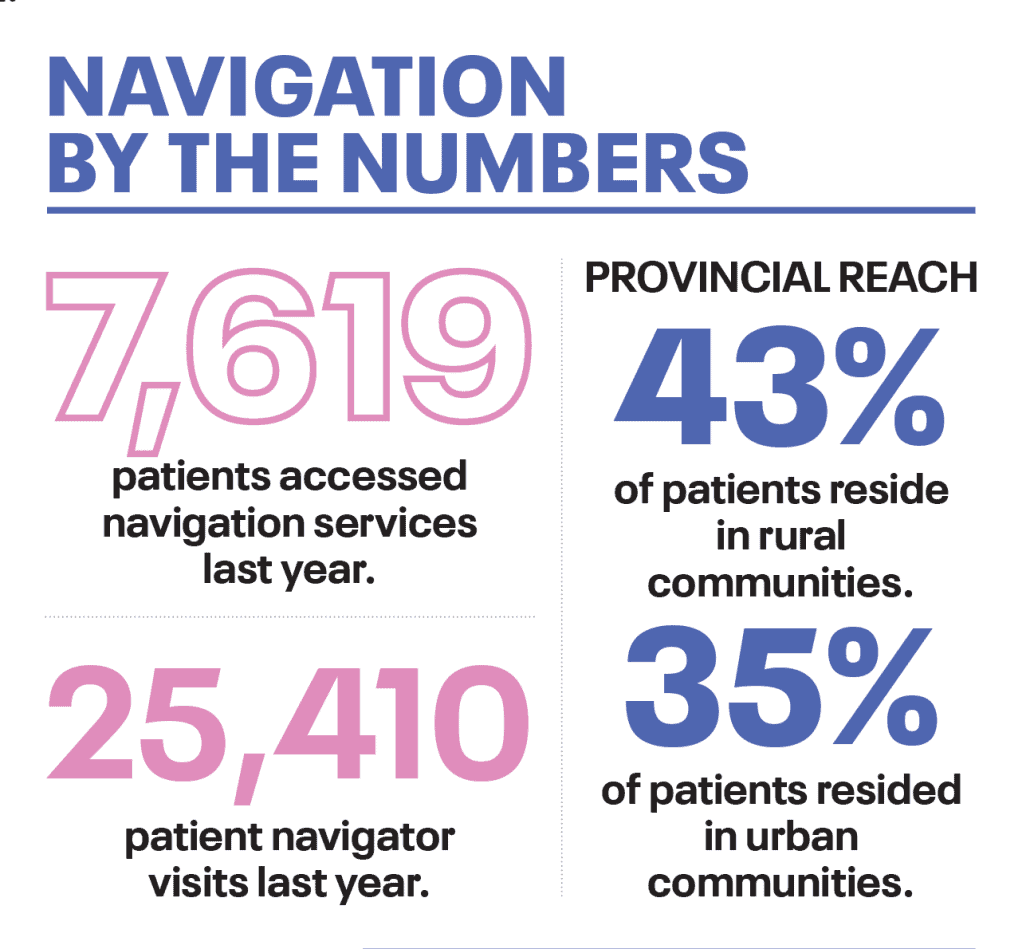
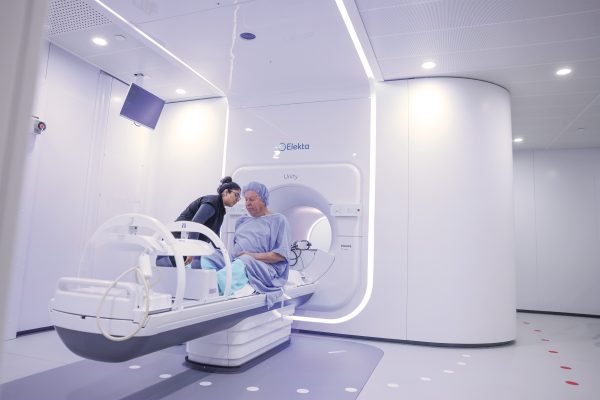
When you hear the words, “You have cancer,” patient navigators are there to provide clarity, guidance and support.
A cancer diagnosis can feel overwhelming and isolating. That’s why the Cancer Patient Navigation Program exists: to offer guidance, reassurance and connection to people navigating one of life’s most difficult moments.
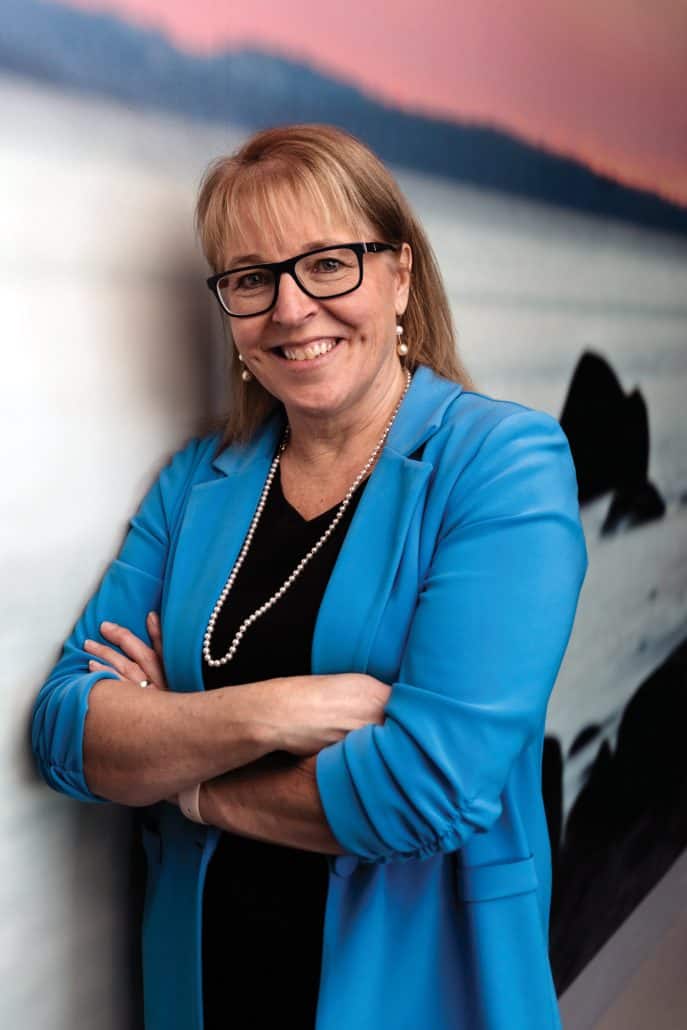
At the heart of the program are specialty nurse navigators. These registered nurses walk alongside patients and families, helping them understand their care, connecting them to services and moving through treatment with confidence.
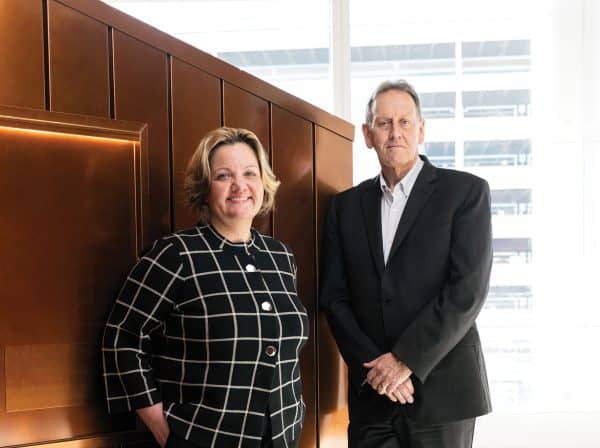
Increasingly, navigators are recognized as essential members of the care team. Oncologists, nurses and family physicians regularly collaborate with them to ensure patients receive coordinated, personalized care.
For Lorilee, a cancer survivor, that support made all the difference.
“The first time I met my navigator Tammy, I immediately felt that she would be a safety net,” Lorilee says. “She had a calmness about her that made me feel like I could tell her anything. She always knew how to find the answers I needed.”
Donor support makes this compassionate service possible, ensuring Albertans living with cancer have the guidance they need throughout their cancer journey.
“Your support of the Cancer Patient Navigation Program helps bridge the gap between diagnosis and treatment, giving individuals facing cancer the tools and confidence to understand their disease, manage symptoms, access community resources and prepare for their f irst oncology visit,” says Dr. Linda Watson, executive director of Supportive Care Services and Patient Experience at Cancer Care Alberta.
Joining the team
To support the growth of the program, a new provincial manager joined the team to help guide development of services and ensure consistency across the province. Two new navigation focus areas were also introduced. These support individuals navigating the complexities of an advanced cancer diagnosis, as well as those living with head and neck cancers. Through donor generosity, the program continues to also serve adolescents and young adults, Indigenous peoples and Albertans living in rural and remote communities, ensuring that no one faces cancer alone.