An Alberta-led CAR T-cell clinical trial is delivering faster, more affordable treatment for Albertans facing blood cancer.
For decades, treatment options for blood cancers such as leukemia and lymphoma have relied on chemotherapy, radiation and stem cell transplants. These approaches can be physically demanding and, for some people, no longer effective. For those whose cancers resist standard treatment, CAR T-cell therapy offers new hope.
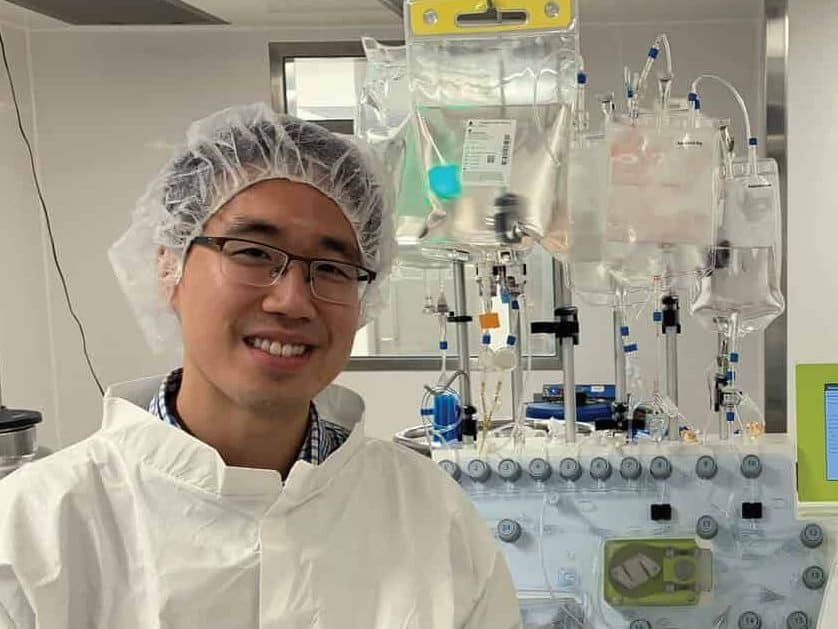
With support from Alberta Cancer Foundation donors and a Government of Alberta grant, Dr. Michael Chu is leading a first-of-its-kind, made-in-Alberta, CAR T-cell therapy clinical trial at the Cross.
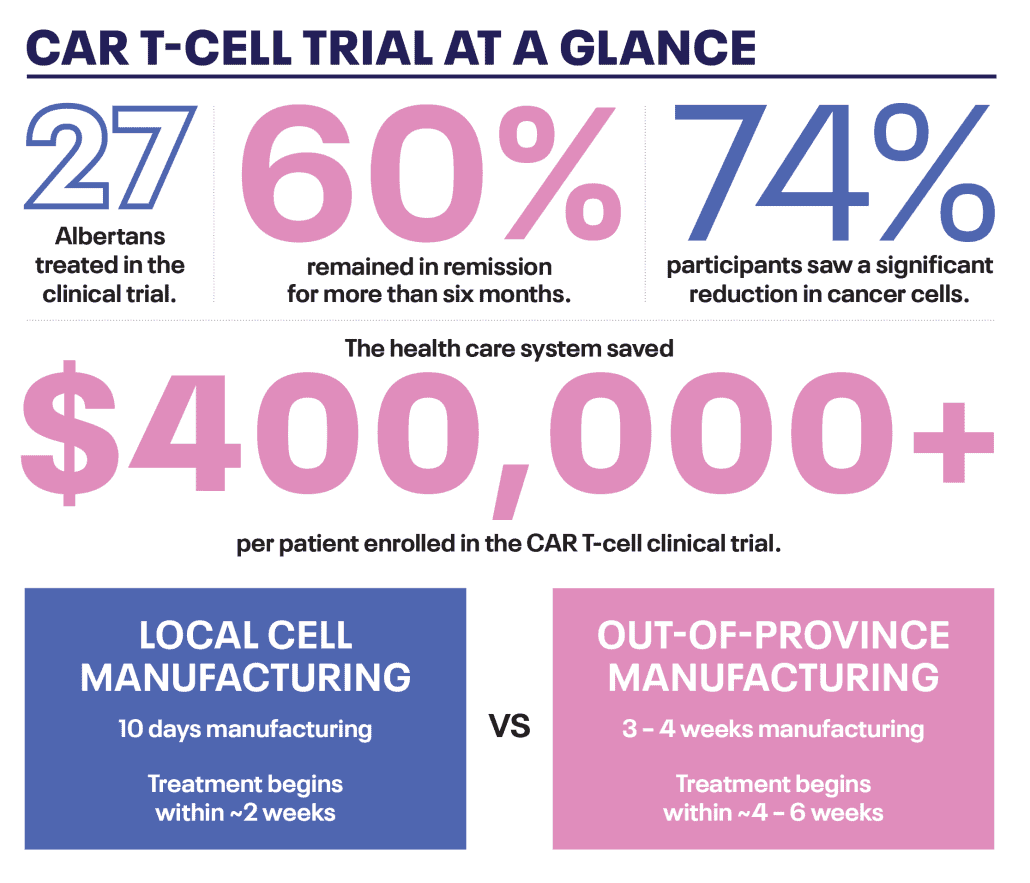
For the first time in Alberta, CAR T-cells are being manufactured locally and delivered directly to patients, bringing one of the world’s most advanced cancer therapies closer to home. Instead of waiting weeks for treatment while cells are manufactured elsewhere, patients can begin therapy far sooner.
“We’re talking about patients who are very sick and not doing well,” says Chu. “Being able to produce CAR T-cells quickly, safely and successfully is the biggest thing patients want to hear.”
Rather than relying on traditional drugs, CAR T-cell therapy uses a patient’s own immune system. T-cells are collected from the patient, reprogrammed to recognize cancer cells, and infused back into the body to attack the disease with precision.
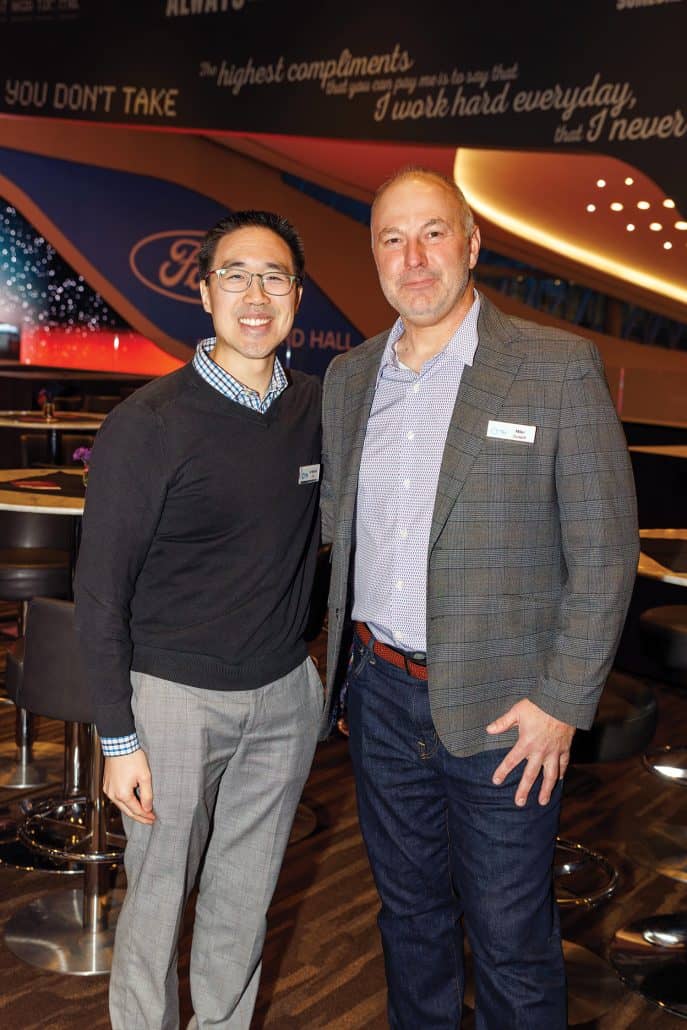
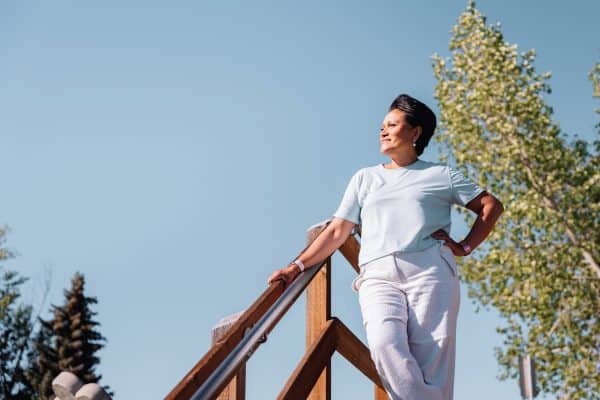
For the trial participants, like Mike Zurawell, who received made-in-Alberta CAR T-cell therapy through the clinical trial, the results have been life-changing.
“Seven months after receiving my CAR T-cell treatment, my cancer was in remission. I am alive today because of the donors who helped fund this clinical trial.”
“Behind every piece of equipment or lab result is a donor who supported this work and made a difference. I am living proof of what happens when Albertans invest in cancer care.”
Alberta is not just participating in scientific progress — it is leading it. Local cell manufacturing is building local capacity within the province while giving Albertans facing cancer access to treatment faster when they need it most.
“Realistically, none of this happens without donor support,” says Chu.