How a mother’s cancer journey helped shape the care her daughter would receive one day.
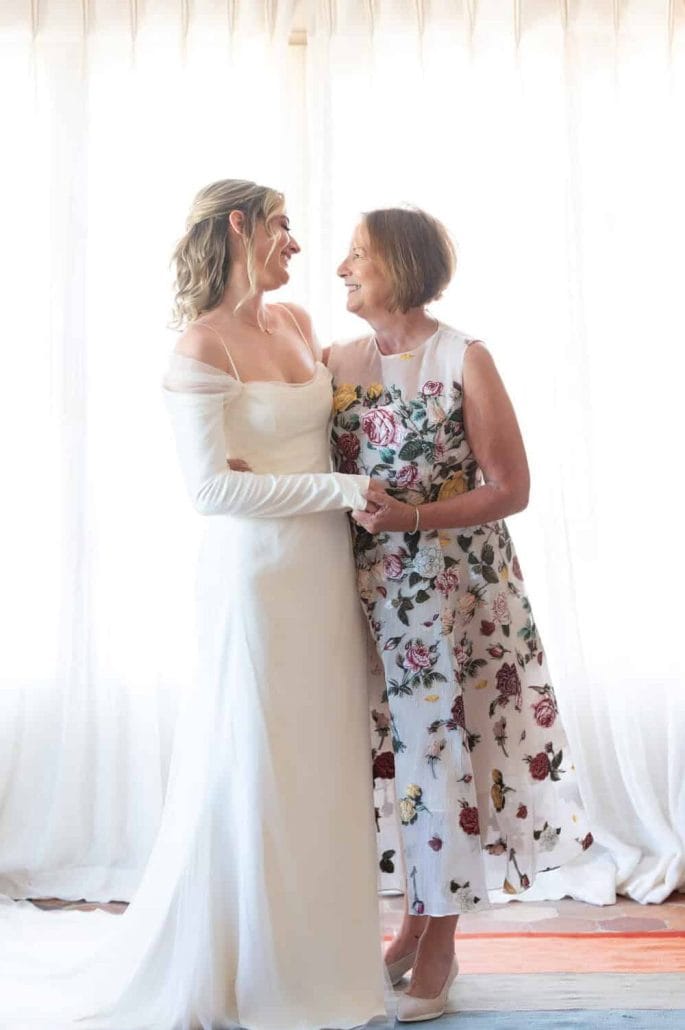
Days before her 50th birthday, Andrea McManus received a diagnosis that would change everything: bilateral breast cancer. Nearly two decades later, her daughter, Alexandra, would face the same diagnosis, at just 33.
Within two generations, the McManus family has seen first-hand how cancer care has evolved and reshaped not only treatment, but the patient experience itself.
Chemotherapy was largely standardized when Andrea underwent treatment. Patients received similar regimens whether they were part of a clinical trial or not, and supportive care options were limited. The focus was survival – often at the expense of comfort.
During her treatment, Andrea joined the MA41 clinical trial, where she received dose-dense chemotherapy, a higher dose of treatment delivered more frequently. The trial would later be deemed successful, helping establish dose-dense chemotherapy as the best practice for standard treatment, helping to inform how care is delivered today.
By the time Alexandra began her own treatment years later, cancer care had become far more precise. Her therapy was tailored to her tumour pathology, supported by advances in symptom management and a growing emphasis on how patients experience care throughout their cancer journey.
That progress did not happen by chance. It was built through decades of research and clinical trials that tested innovative approaches, refined treatments, and steadily improved how care is delivered, often with patients like Andrea helping to move the science forward.
“My chemo treatment was a blanket treatment; everybody would have gotten the same thing [at the time], whether you were in a clinical trial or not,” Andrea recalls. “Alex’s treatment is tailored to her tumour pathology. They know so much more now.”
Alexandra felt those differences first-hand. Advances in symptom control, supportive therapies, and patient-centred options made demanding treatments more manageable.
“Now, there’s a big focus on what’s available with your treatment experience,” Alexandra says. “My nausea was very well controlled, which was huge. I also did cold capping to try to preserve my hair. It’s just amazing that stuff like that is offered for patients.”
For Andrea, witnessing those differences made the value of research deeply personal. Her participation in a clinical trial decades earlier became part of the progress that shaped her daughter’s care, an unexpected but powerful reminder that research gives more than answers. It gives more time.