Technology is delivering more targeted treatments, meaning fewer sessions and a gentler recovery.
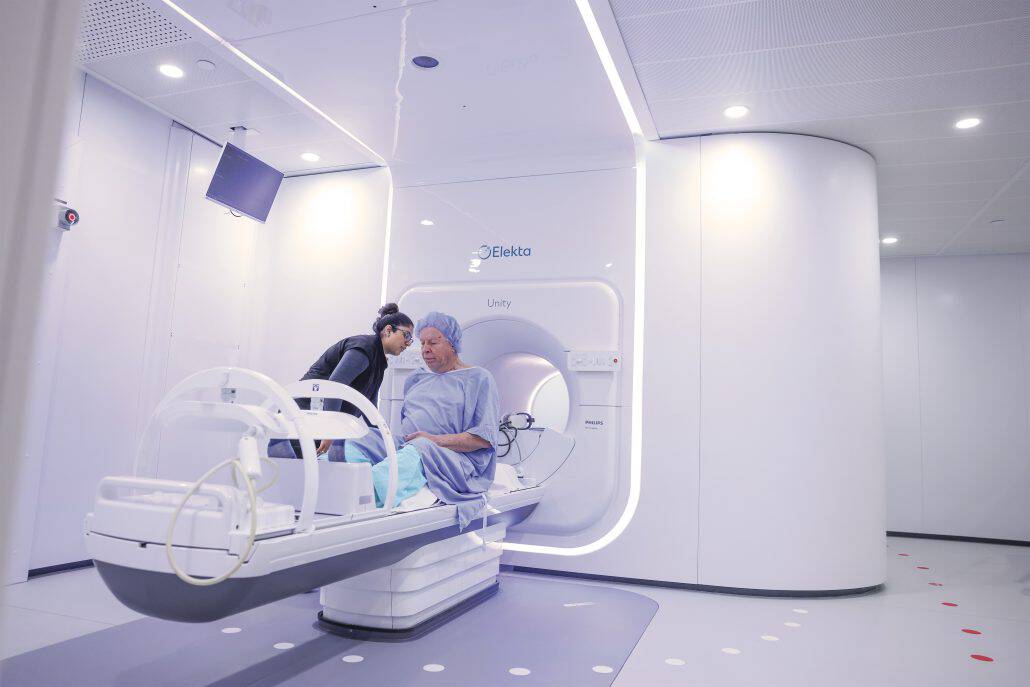
Radiation therapy can quietly take over daily life. Frequent hospital visits, side effects and long recovery periods often leave little room for anything beyond cancer itself. Made possible through donor generosity, MR-Linac technology is changing how radiation therapy is delivered.
By combining radiation therapy with real-time MRI imaging, oncologists can see tumours during treatment and adjust radiation delivery with exceptional accuracy. This targeted approach allows higher doses to be delivered while protecting surrounding healthy tissues, reducing treatment sessions and supporting a gentler recovery.
For Barry Flavelle, who was diagnosed with prostate cancer, the impact was immediate. Fewer hospital visits and fewer side effects meant he could spend less time recovering and more time doing the things he enjoys.
“This is a really good option,” he says. “Less side effects, less visits, same amount of radiation in total…just administered a little quicker.”
Because donors invested early, the impact continues to grow. While MR-Linac technology has already transformed prostate cancer care, its precision is expanding treatment options for more complex cancers, including those affecting the nervous system.
“Enabling a building like [the Arthur Child], full of equipment and top-notch doctors, you have nothing but thanks to those individuals who donated.”
—Barry Flavelle