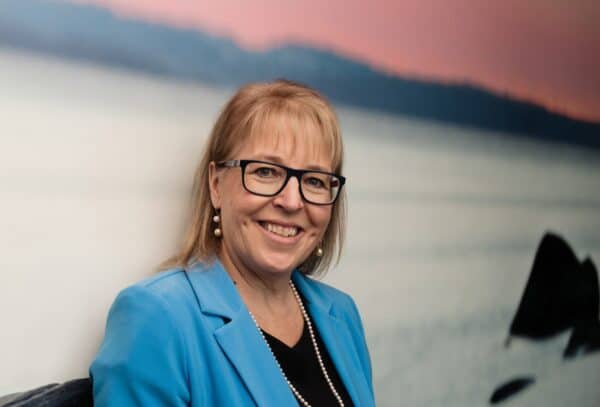
A fellowship in radiation oncology allows Dr. Zarmina Alam to do important clinical care and conduct innovative research — and she has only just begun her medical career.
By Karin Olafson
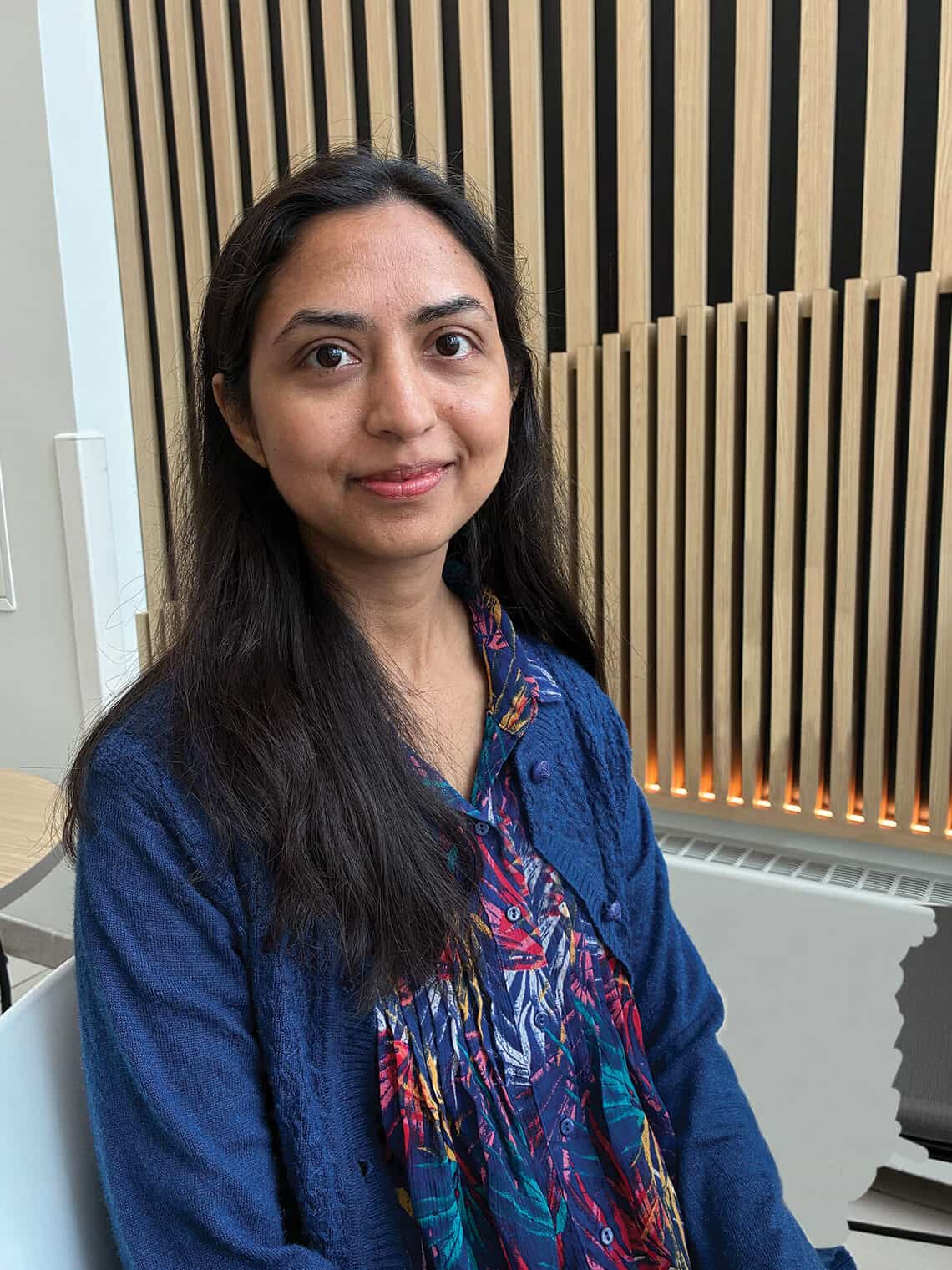
When Dr. Zarmina Alam was completing her medical degree in India’s Aligarh Muslim University, choosing to specialize in radiation oncology for individuals with head and neck cancers was an easy choice. Because there is so much potential for new treatment, for her, it was a clear way to make a difference.
“In head and neck cancers, there are a lot of emerging treatment options that can improve patient outcomes. At the same time, we have a lot more space to improve the outcomes for patients,” says Alam.
She completed her medical degree in 2020 and, in 2024, was awarded the Papadopoulos Fellowship in Radiation Oncology at the University of Alberta. Today, she is an integral part of the research improving the treatment experience for people diagnosed with head and neck cancers.
The fellowship-funded role — which she will hold until September 2026 — allows Alam to spend half of her time working directly with individuals with head and neck cancers at the Cross Cancer Institute. Working under the supervision of Dr. Rufus Scrimger, Alam helps assess individuals who are beginning their head and neck cancer journey and plan their treatment trajectory.
The other half of her role is dedicated to research and, already, her work is having an impact on health care in Alberta. During the first year of her fellowship, Alam researched optimal radiation techniques.
“For head and neck cancer patients, typically the [radiation] treatment targets the primary cancer site as well as the neck. My research found that we don’t need to treat both sides of the neck with radiation. It’s not necessary if the disease isn’t on both sides. We can treat just one side, which gives an equal result and minimizes toxicities for the patient, like dry mouth and neck fibrosis,” explains Alam. She shared her findings nationally, presenting them at the Canadian Association of Radiation Oncology annual scientific meeting in Calgary in September 2025.
Currently, she’s researching how nutrition impacts radiation outcomes. Alam explains that during radiation treatment, it’s not uncommon for individuals to experience symptoms that impact how much they eat, like sore throats and altered taste sensation. Alam’s research examines the benefits of providing individuals with nutritional supplements, such as protein shakes or protein juices, during and after radiation treatment. She’s interested in whether the supplements can slow weight loss and improve outcomes compared to those who receive supplements only after treatment is over.
Alam is grateful that donor-funded fellowships support early-career doctors and provide the chance to balance work across two much-needed areas: clinical care and research.