Why eating protein-rich food matters and how it helps your health.
By Rylie Perry
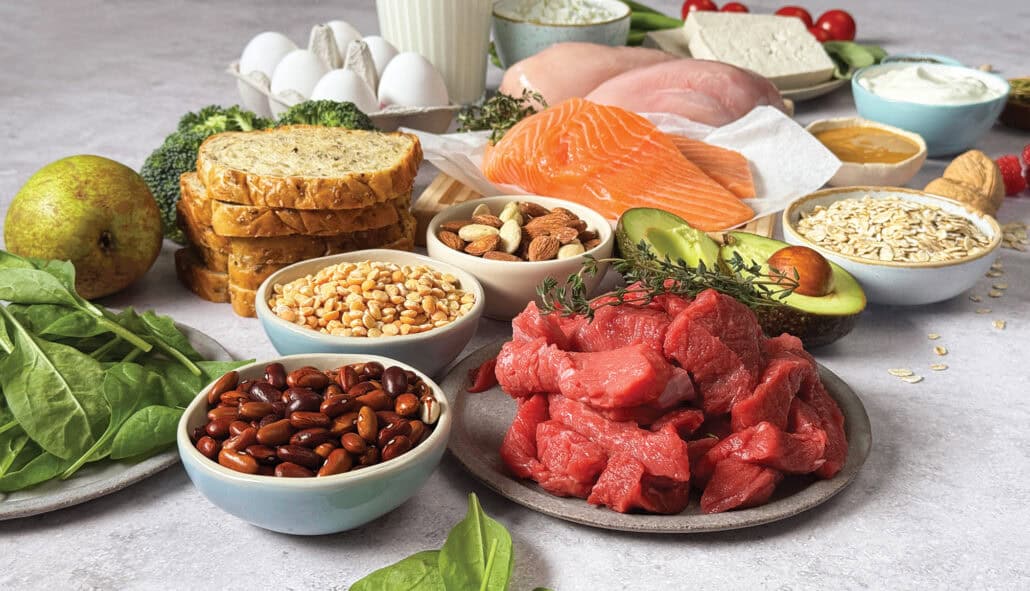
Considering your protein intake isn’t just a trendy fad. After all, protein plays a fundamental role in how the body is built and maintained. Protein is needed for muscle growth and tissue repair, it provides the amino acids required to make some hormones and it’s needed to make many enzymes that are involved in digestion and metabolism. In short, protein is an essential addition to your diet.
But how do you know if you’re getting enough? Dr. Carla Prado, professor and registered dietitian at the University of Alberta, says protein intake isn’t about extremes or following trends. Meeting your dietary needs is simply about incorporating the right amount of protein for your own body and lifestyle from the right sources.
Prioritizing protein
If we don’t eat enough protein, the body struggles to grow, age well and recover from illness, injury or weight loss. Foods like lean poultry, legumes and fish are an important addition to a balanced diet, with whole food providing the highest levels of protein.
Canada’s recommended dietary allowance (RDA) is the average daily dietary intake level for essential nutrients we should eat — including protein. The generalized table shows the average amount of nutrients nearly all individuals need to survive, as well as the amount of carbohydrates, fats and protein we should be consuming daily.
The RDA recommends that the average adult get 0.8 grams of protein per kilogram of body weight per day, with seniors, pregnant women, people living with illness and adults who lead active lifestyles typically needing more to prevent muscle loss. “The RDA is a minimum designed to prevent deficiency, not to support muscle maintenance, performance or healthy aging,” Prado says. “Most adults technically meet the RDA, but many do not meet their optimal protein needs.”
If the RDA is the minimum, then how do we know if we are eating enough? Prado explains that while nutritional needs should be addressed on a case-by-case basis, a good starting point is moving beyond the minimum recommendations and prioritizing a mix of high-quality protein daily.
For individuals living with cancer, protein is integral in preserving muscle mass. Prado says that cancer treatment increases the rate of muscle mass depletion, which can reduce treatment tolerance and outcomes. Adding protein to every meal can support an individual with cancer’s resilience to side effects like reduced strength and impaired immunity, and is one of the reasons registered professionals recommend targeted nutrition intervention and protein inclusion.
How to add protein to your meals
Incorporating protein into your meals doesn’t have to be challenging. And most people don’t need large portions or a day full of protein-labelled snacks.
“Many ultra-processed foods now advertise protein content, but still contain high amounts of sugar, sodium or refined starch,” says Prado. “Adding protein to junk food does not automatically make it healthy.”
And sometimes, more isn’t always better. Knowing the difference between high-protein and high-quality is essential to staying satiated and nourished throughout the day.
“The most effective approach is small, practical upgrades using familiar foods, rather than drastic changes or reliance on supplements,” she affirms. “The goal is steady distribution across meals.”
Easy substitutions include choosing Greek yogurt or cottage cheese over plain yogurt, and adding legumes, tofu or lentils to soups, salads or bowls. You can also try protein-rich pastas, wraps or breads to replace refined versions. Another simple way to meet daily intake goals is to pair fruits and vegetables with peanut butter or hummus.
“Whole food protein sources should form the foundation of intake,” she adds, recommending lean meats and poultry, fish and seafood, eggs and dairy products like milk and cheese. Plant-based options like beans, lentils, soy food and nuts are also good sources of protein.
Prado recommends that individuals living with cancer take a few extra steps to ensure their protein goals are met.
“Oral nutritional supplements and medical protein shakes are not highly processed food,” she says. “They are evidence-based clinical tools designed to help patients meet their needs when eating enough is difficult.”
A snapshot of Dr. Carla Prado’s research
Dr. Carla Prado’s research works to understand how muscle mass (with or without high fat mass) affects health outcomes in patients with diverse chronic conditions like cancer. She is currently developing targeted, individualized nutrition interventions to improve body makeup and enhance health
outcomes.

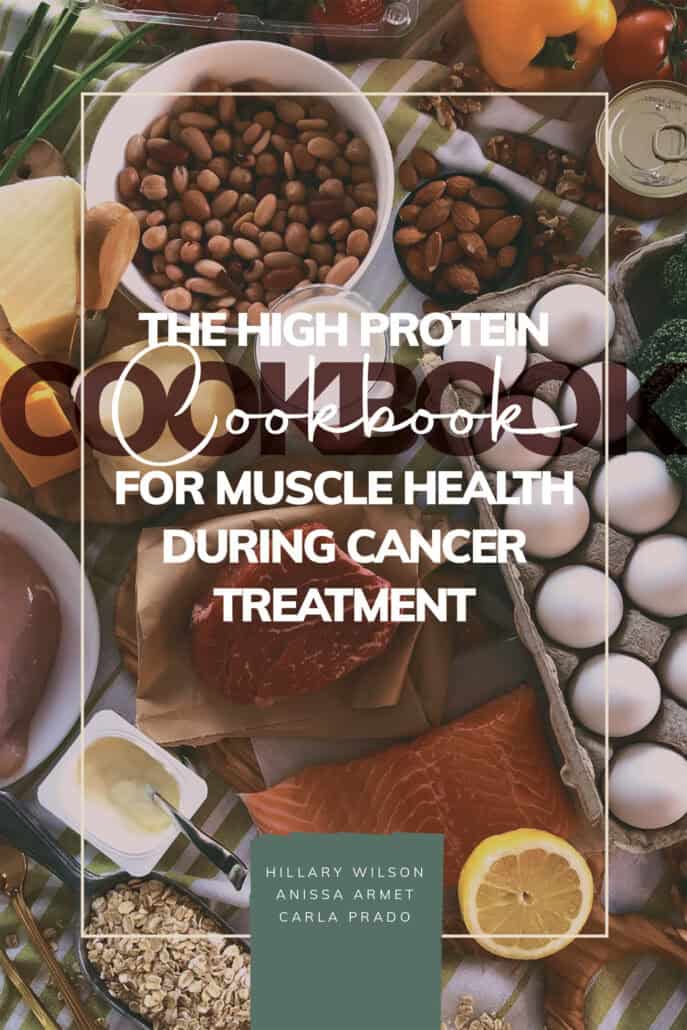
Dr. Carla Prado’s high-protein recipe: Salmon tostada
This recipe is from Prado’s cookbook The High Protein Cookbook for Muscle Health During Cancer Treatment.
Prep time: 10 minutes | Total time: 20 minutes
Ingredients:
1 tsp chili powder
1/2 tsp ground cumin
1 tbsp lime juice
4 oz (113 g) fresh or frozen and thawed salmon fillet
2 5-inch soft corn tortillas
2 tbsp fresh cilantro, chopped
1 medium tomato, chopped
2 tbsp red onion, sliced
Coleslaw:
1/2 cup savoy cabbage, shredded
1/4 cup plain 2% Greek yogurt
1 tbsp lime juice

Instructions: Preheat oven to 400°F (200°C). Line a baking sheet with parchment paper. Mix together chili powder, cumin and lime juice in a bowl. Spread over salmon and place it on a baking sheet. Cook for 8-10 minutes or until the fish flakes easily with a fork. Mix together cabbage, Greek yogurt and lime juice in a bowl. Warm the tortillas in the microwave for about 20 seconds to help prevent them from cracking. Flake salmon and place half onto each corn tortilla. Top each with half of the coleslaw mix. Divide cilantro, tomato and red onion between the two tostadas.