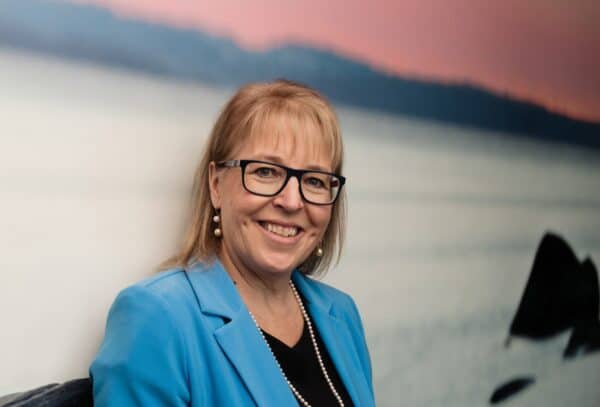
Three Albertans share what support can look like throughout a cancer journey.
By Cailynn Klingbeil
Terry Grant
The support of a health care team that doesn’t give up
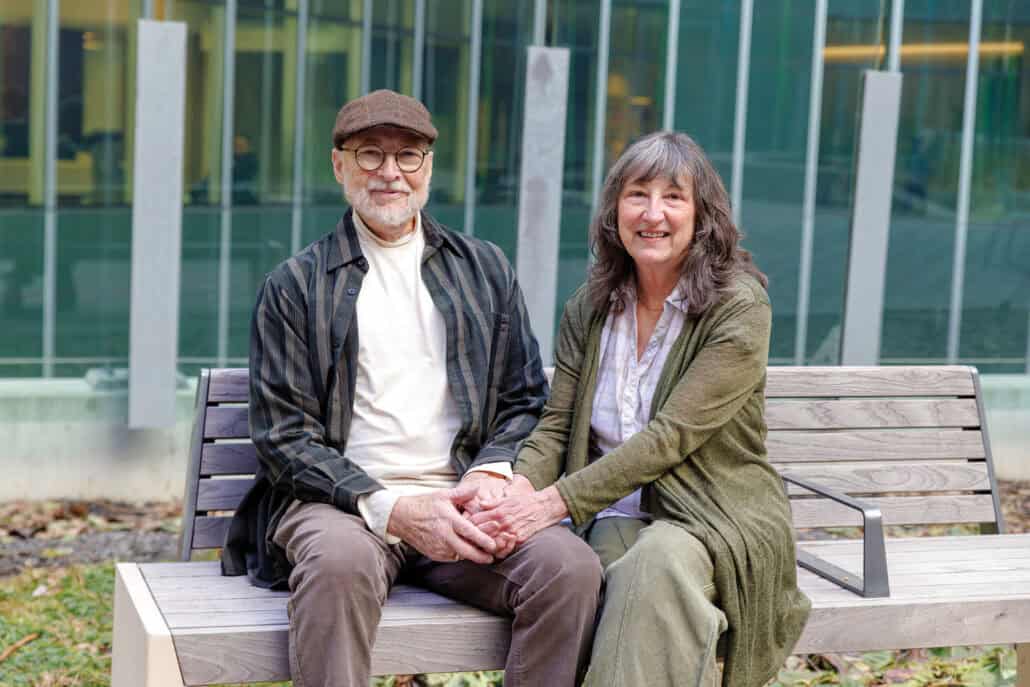
Terry Grant was diagnosed with head and neck cancer in 2017 and began chemotherapy and radiation in Ontario, where he and his wife, Laureen, lived at the time. With their daughter and granddaughter in Alberta, the couple decided to move west. After moving, they learned that Alberta is known for its leadership in head and neck cancer care. In Edmonton, a surgeon reviewed Terry’s case and told them, “I can do this,” referring to a 14-hour surgery that their Ontario physicians told them had poor outcomes.
Since 2018, Laureen has counted more than 80 trips from their home in Red Deer to Edmonton for treatment and follow-up care. Following his head and neck cancer journey, Terry was diagnosed with prostate cancer, then two bouts of skin cancer — he’s now in remission from all three.
“It would have been far more frightening if I hadn’t had so much support.”
—Terry grant
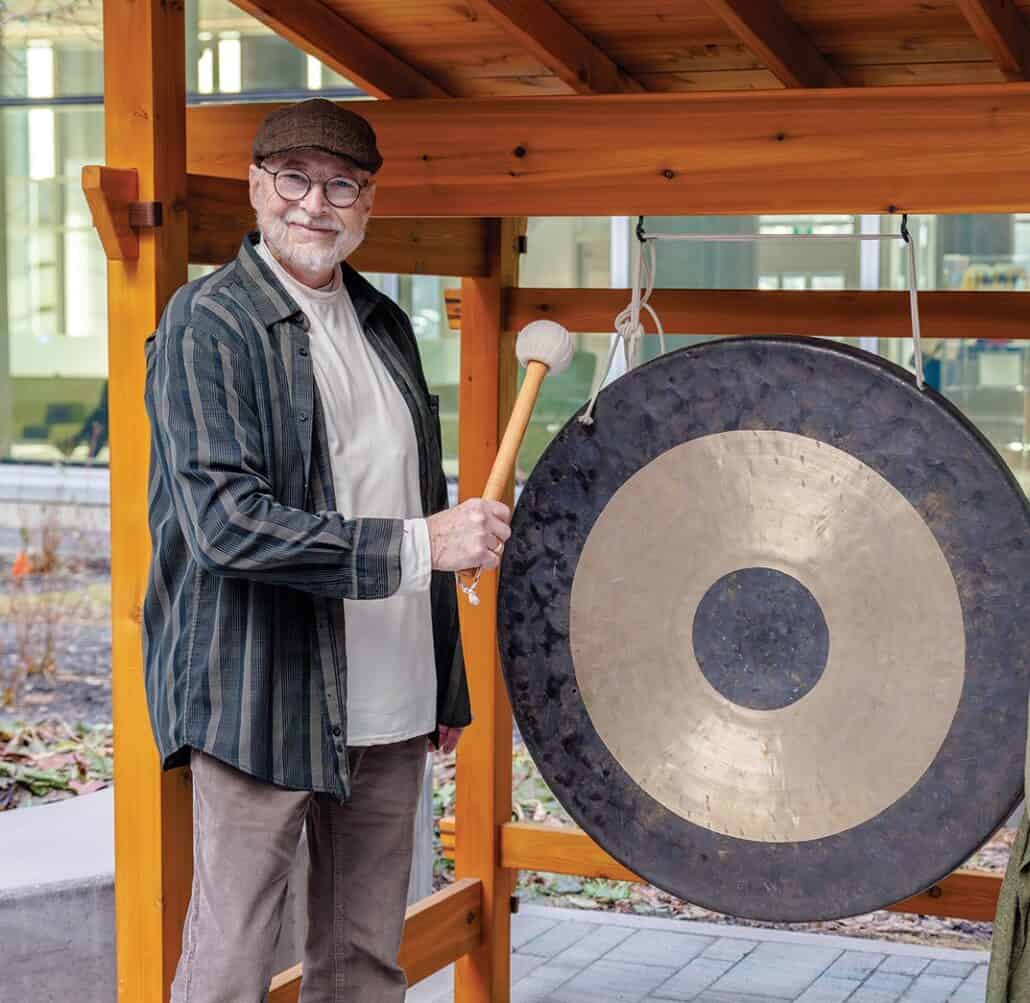
That support includes his wife and daughter, along with the care he received at the University of Alberta Hospital during his lengthy surgery. Following surgery, Terry relies on a PEG tube (a feeding tube inserted directly into the stomach) to eat and drink, and Laureen learned to manage it all to support him — even replacing the tube herself when needed.
Laureen explains that having access to information that teaches her how to care for Terry, whether from clinicians, therapists, printed materials or online resources, has helped her feel supported and have some power over the disease.
Now in their seventies, the Grants continue to navigate remission and the long-term effects of treatment. For them, support extends beyond treatment. The skill, compassion and knowledge of their health care team have carried them forward through an unimaginable journey.
Nhi Ha
Finding strength through people, goals and giving back
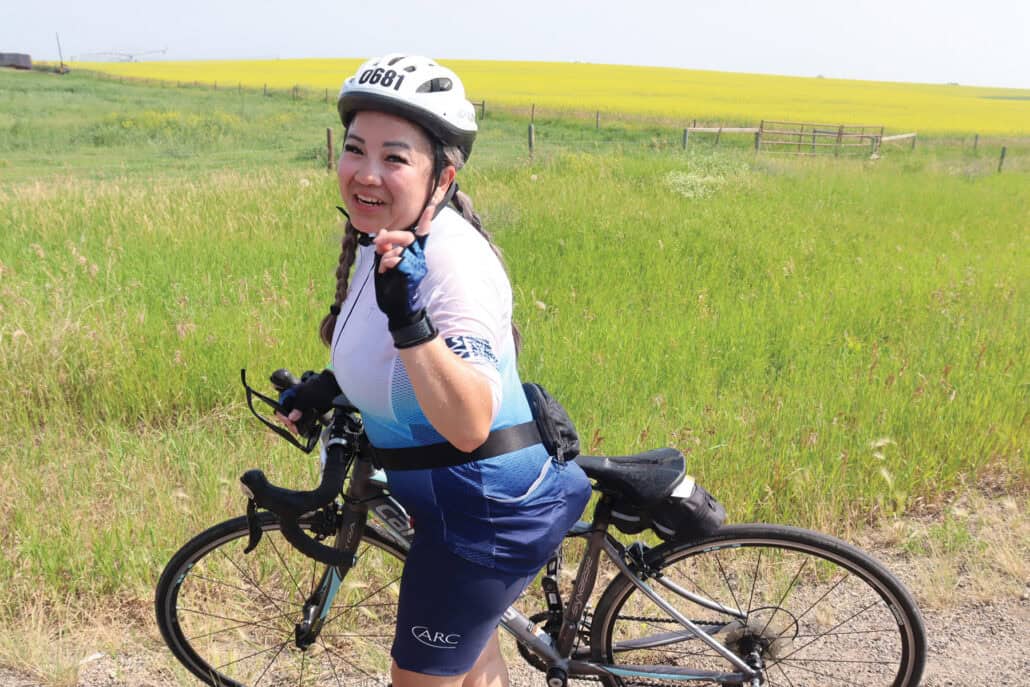
Courtesy of Nhi Ha.
When Nhi Ha reflects on her late spouse Shaun Marcia’s experience with testicular cancer, it’s the people who stand out.
“Every single nurse, every single doctor, every porter,” she says. “The people during that time were what mattered, and they were so supportive of us on our journey.”
Ha describes Marcia as an avid athlete who others loved to be around. He was the glue within his close circle of friends, many of whom had known him for decades. “You just couldn’t find somebody that was kinder than him when it came to supporting his friends and his family,” she says. Marcia was close with his numerous godchildren and Ha’s son, graciously embracing the role of stepfather.
Marcia died on December 10, 2020, at the age of 38, six months after his diagnosis. Much of that time was spent in and out of the hospital in Calgary during the COVID-19 pandemic. So many people provided care during that time, says Ha, especially the nurses.
“There was just something different about them and how they cared for everybody,” she says. She felt especially supported by the steady presence of a nurse practitioner from Marcia’s doctor’s office. “She was there literally from day one until the day he passed,” Ha says.

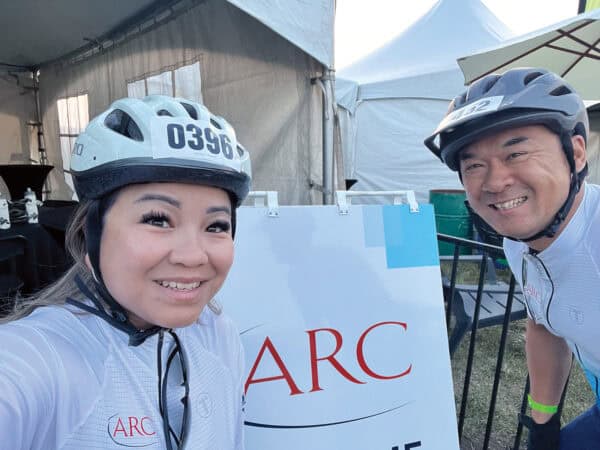
After Marcia’s death, Ha’s network was filled with people wanting to offer support. In 2023, she was invited to participate in Enbridge Tour Alberta for Cancer through her employer, ARC Resources. Ha was initially hesitant; she hadn’t ridden a bike in years. But she was inspired by Marcia, who had participated in the ride nearly five years before his death. If he could do it, she thought, so could she. With the support of friends and colleagues, Nhi Ha has participated in the Enbridge Tour Alberta for Cancer since 2023.
Ha’s first ride didn’t come easy, but she dug deep. With support from volunteers and other riders, she successfully completed the ride. She was so proud of the accomplishment that she joined the Tour again the next year — and challenged herself by cycling farther than the year before. She continues to ride in the Tour each year, drawing strength from the people supporting her fundraising efforts.
“Every year gets better and better. The individuals in my life have been a huge support, raising awareness with me and supporting me in my fundraising campaign,” says Ha.
This summer will mark Ha’s fourth Tour and her first as team captain. She has set her largest fundraising goal yet — $50,000 for the Alberta Cancer Foundation — and plans to shave her head if she reaches it.
“You don’t realize how much a foundation does until you actually have to [rely on] it. I can still feel those impacts, no matter how much time has passed.”
—Nhi ha
Amanda Garcia
The power of nursing, practical programs and advancing technology
Amanda Garcia’s connection to cancer care began 25 years ago, when her mom was diagnosed with lymphoma, a blood cancer, and underwent a radical neck surgery and aggressive radiation treatment. The experience shaped Garcia’s career path. She was in nursing school at the time, and after seeing the support her mom received during her treatment, set her sights on working in the operating room alongside surgeons removing cancer.
“The operating room was something I really wanted to be part of,” she says. “I wanted to be able to help people. I wanted to see what this nasty, nasty disease looks like in every capacity. And I wanted to meet the surgeon who saved my mom.”
Twelve years later, Garcia worked as a scrub nurse alongside her mother’s surgeon. She remembers thanking him for saving her mom and expressing her hope that she could continue to help him treat and support others living with cancer.
Garcia stepped away from frontline nursing three years ago and now works as a case manager for an insurance company, where she helps people undergoing cancer treatment navigate insurance, benefits and other support. She is also caring for her mother-in-law, who was diagnosed with breast cancer last October and had surgery in January.
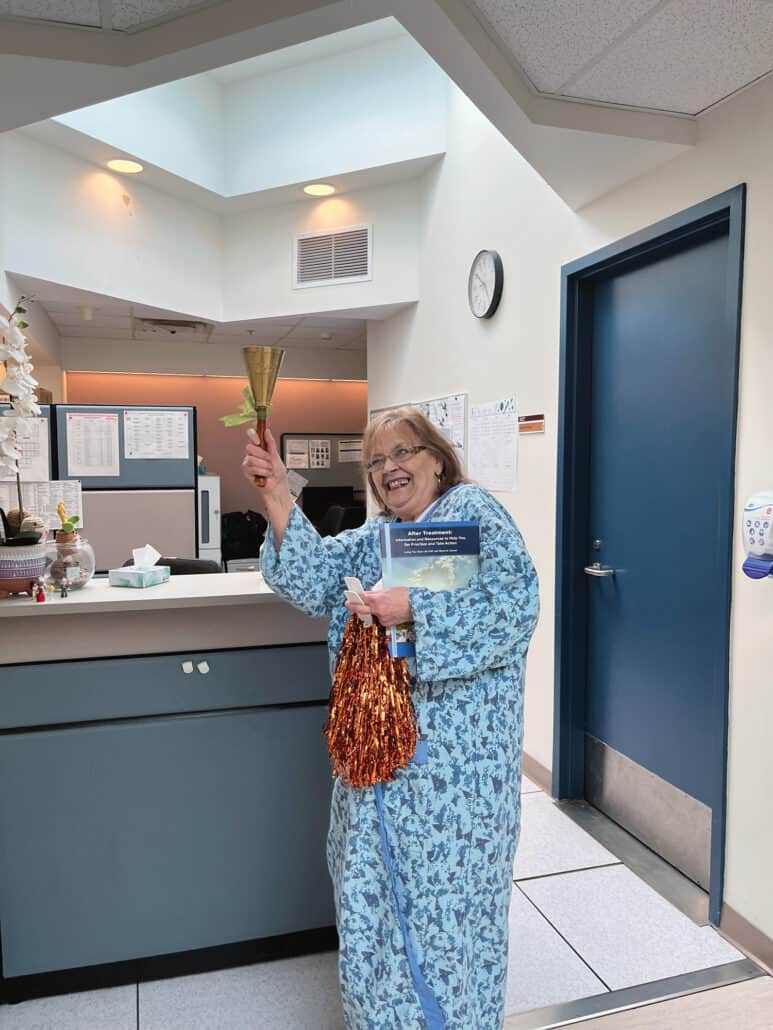
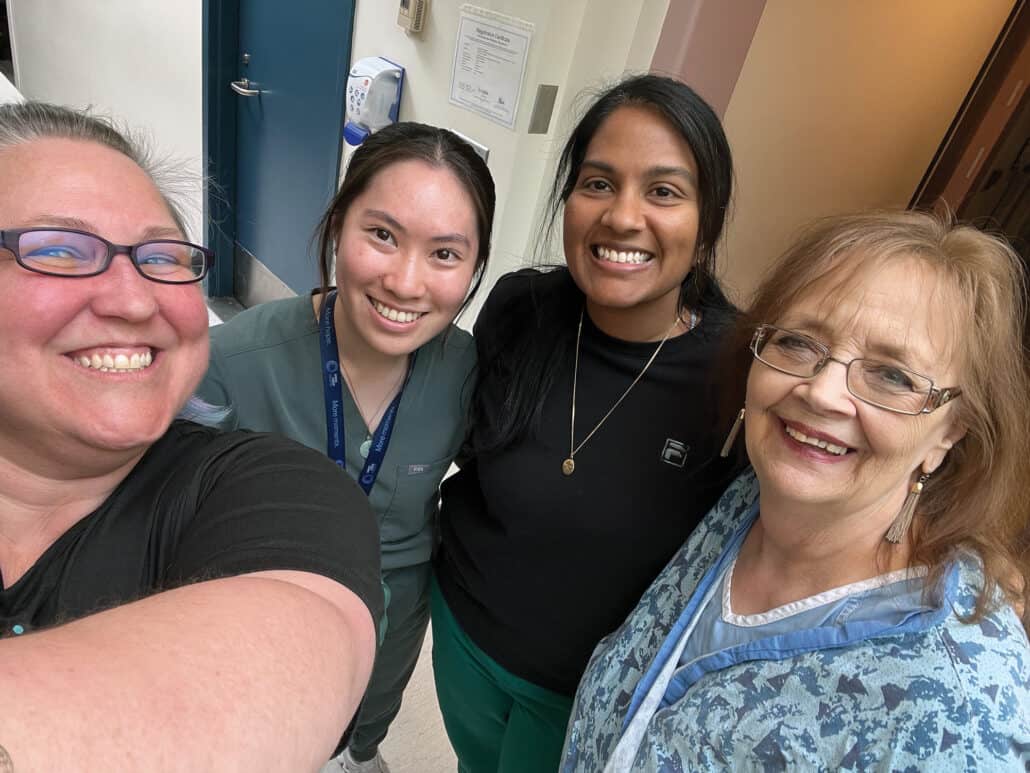
For Garcia, all these experiences reinforce how powerful practical support can be. She remembers how financial assistance was offered through the Patient Financial Assistance Program, in case her family needed help managing travel and accommodation costs during treatment. A volunteer driving program was also offered. Now, while balancing full-time work and raising two kids, Garcia is grateful for the supportive options her and her family have.
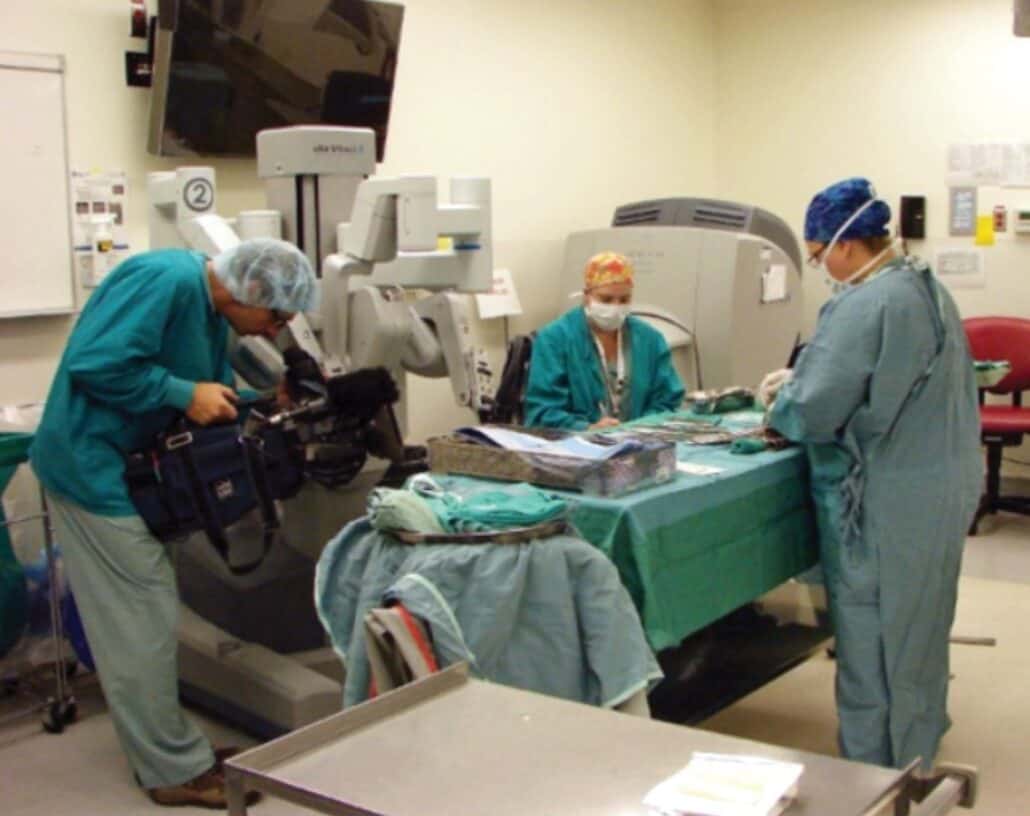
Another form of support stands out to Garcia, shaped by her years in the operating room: the steady advancement of technology and equipment that has transformed cancer care.
“I’ve watched the progression, from how aggressive the treatments were… to watching the technology evolve and change through research.”
—Amanda garcia
Donor-supported advancements expand treatment options, improve prognoses, influence post-treatment care and ultimately enhance quality of life for Albertans living with cancer.
Seeing the power of support during her mom’s and many others’ cancer journeys motivates Garcia. She is a long-time supporter of the Alberta Cancer Foundation Lottery — and a back-to-back Win Daily Cash lottery winner. This is her way of contributing to cancer research that continues to shape the future of cancer care.