Learn more about the physicians, pharmacists and scientists elevating and reshaping how Albertans are supported through their cancer journeys.
By Elizabeth Chorney-Booth
Dr. John Walker
Finding immunotherapy solutions for more individuals with cancer
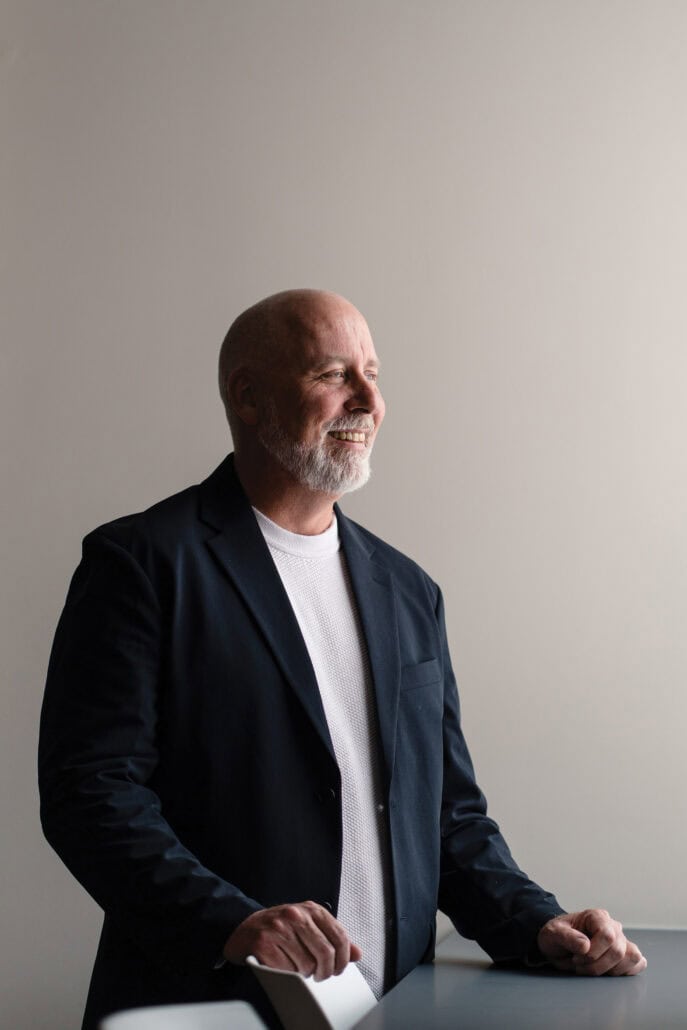
In the world of cancer care, immunotherapy is often considered revolutionary. Over the past 15 years, the treatment — which empowers a person’s own immune system to attack cancer cells — has gone from an experimental therapy to a scientifically proven, life-saving one that oncologists can prescribe to treat a wide range of cancers. Immunotherapy has had a particularly dramatic impact on the survival rate of people with melanoma, with roughly half of individuals with the diagnosis now surviving 10 years or more, as opposed to a five per cent survival rate before the therapy was introduced.
But for Dr. John Walker, an oncologist specializing in melanoma at the Cross Cancer Institute (Cross) in Edmonton, those survival rates are still not high enough.
“These immune therapies are game changers,” Walker says. “As a doctor who treats melanoma, we have this powerful tool in our armament, but we don’t have much after that. About 40 per cent of patients don’t respond adequately to immune therapy, and we don’t have good options for them.”
Luckily, Walker and his colleagues have the opportunity to trial treatments for those patients who don’t respond to immunotherapy. Walker and his melanoma group work to maintain the Cross as a centre of excellence known for its participation in large-scale clinical trials. They’re also focusing on in-house investigator-initiated trials, researching the long-term impacts of immunotherapy on people who have survived melanoma.
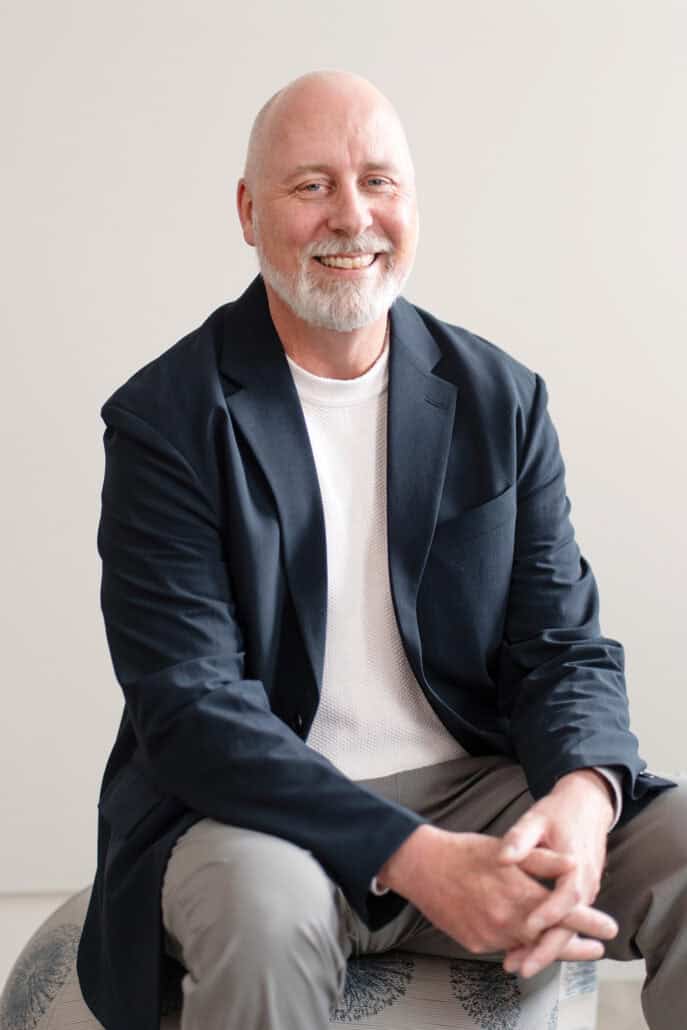
Many of the most exciting developments are coming through the team’s investigator-initiated trials, which are led by in-house clinicians rather than a pharmaceutical company. Within the next year, Walker and his team will start trialling an already-approved cholesterol drug with melanoma patients who didn’t respond well to immunotherapy, to test the theory that the medication will increase the immune system’s ability to target cancer cells. Walker says it will give individuals a “second chance” at successful immunotherapy. Another investigator-initiated trial coming up involves restoring melanoma patients’ gut microbiomes by administering fecal transplants through capsules full of powdered freeze-dried stool collected from donors. This could also improve the chances of a successful second chance at immunotherapy.
In both cases, Walker believes the Cross to be the first centre in Canada to trial these strategies. Having seen immunotherapy already provide such incredible therapeutic support and provide huge impacts on cancer outcomes, Walker is hopeful Alberta-based research will extend the treatment’s full benefits even further.
“Our investigator-initiated trial program is an absolute jewel, and I don’t believe the majority of cancer centres in Canada or the world have this opportunity,” he says. “There is still very much an Alberta advantage when it comes to academic medicine.”
Maeve Wickham
Using AI to improve system flow and wait times

Over the years, scientific advancements have drastically improved cancer outcomes. Yet people living significantly longer after a cancer diagnosis means there are more people than ever needing access to cancer care in Alberta. Oncologists are not only facing a rise in demand for appointments, but they’re also seeing more complex cases and can now consider a range of different treatment options, affecting physician workload within the system.
While more oncologists and nurses are needed, that alone isn’t enough to solve the issue. Changing needs means unpredictable appointment lengths — and that can affect a doctor’s schedule. The team at Cancer Care Alberta’s Precision Analytics program is tackling these system flow problems by using AI to interpret provincial administrative and clinical data. The goal is that AI will help better predict and schedule appointments so individuals spend less time in waiting rooms and have adequate time with doctors, while also leaving doctors feeling less rushed so they can address all of their patients’ needs.
“We’re really trying to improve system flow by determining the right care for the right patient at the right time,” says Precision Analytics program senior epidemiologist Maeve Wickham. “If we can understand the amount of time patients require for different types of appointments or activities, we can schedule it so clinics aren’t running overtime and avoid those ripple effects that happen when appointments run overtime.”

The process is more complicated than an average ChatGPT user may imagine. Wickham and her team identify any potential biases reflecting current system inequities in their data, such as socioeconomic status, and decide which numbers are relevant to their models. They then use unsupervised machine learning models to identify different complexity groupings of patients. From there, they work to predict clinical complexity and forecast workload planning. With clear data in hand, the team can present data-based evidence to the health care system’s decision makers.
While AI is increasingly making its mark in the medical world, it is unique for an advanced analytics program that combines epidemiology and machine learning to be embedded within a health authority, rather than an academic setting. Wickham says part of what makes the Precision Analytics program work is Alberta’s wealth of health care data, which can lend a powerful and accurate picture of the cancer care landscape.
“We hear cancer care has gotten more complex,” she says. “We hear care delivery is more complex. When we actually plot that on a graph, we’re using the data and these methods to tell that story.”
Dr. Jordan Zeppieri
Providing specialized in-hospital cancer care
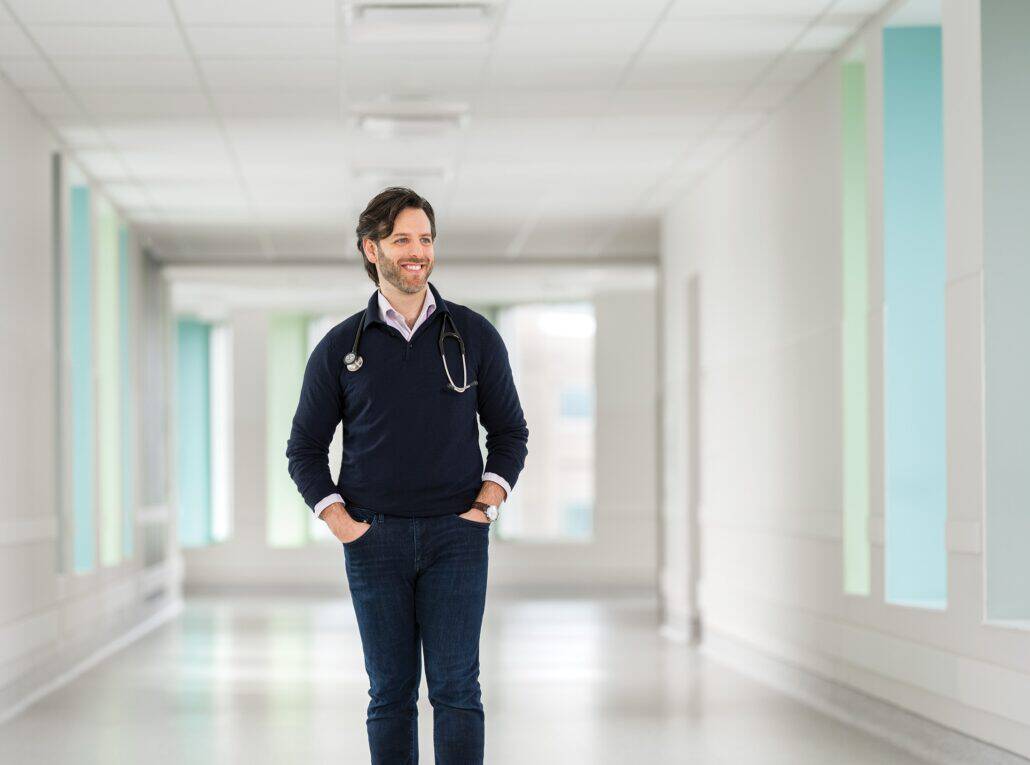
Many Albertans receive cancer treatment as an outpatient. But sometimes, complications arise and individuals find themselves admitted to hospital with issues related either to their treatment or their cancer. Besides working with an oncologist, many Albertans facing cancer rely on hospitalists — medical doctors who work on-site at specific hospitals — for their day-to-day care during a hospital stay.
Traditionally, hospitalists are general physicians rather than specialists, but that is starting to change. Zeppieri spent several years working as an oncology-specific hospitalist at Sunnybrook Hospital in Toronto, initiating his specialty after noticing some gaps when his mother went through cancer care. He moved to Calgary in 2024 to build a similar program at the Arthur J.E. Child Comprehensive Cancer Centre. There are now 23 hospitalists working at the centre, all offering oncology-centred care.
“We’re sort of your one-stop shop. You come in, and we will guide you from the moment you’re in the ER all the way through to discharge and hand over the care back to your oncologist afterwards,” Zeppieri says. “We have a team of hospitalists here — 24/7, 365 days a year — to look after patients.”
Zeppieri and the rest of the hospitalist team don’t replace or override the role of an individual’s primary oncologist, but work in tandem with those doctors to help manage cancer-related side effects, treatment side effects and other illnesses or infections cancer patients might encounter. The hospitalists’ presence relieves pressure on cancer clinics, allowing oncologists to stay focused on their regular outpatient appointments while still offering inpatients cancer-specific expertise. The hospitalists fully understand the acute complications of cancer, side effects of cancer treatments and have direct connections to the centre’s oncologists.
“We’re not here to treat cancer. We’re here to support you through the complications of cancer,” Zeppieri says. “Our job is to get patients well enough through their journey in the hospital so they can return to the clinic.”
Arthur J.E. Child Comprehensive Cancer Centre Palliative Oncology Pharmacy Team
Treating complex pain with compassion
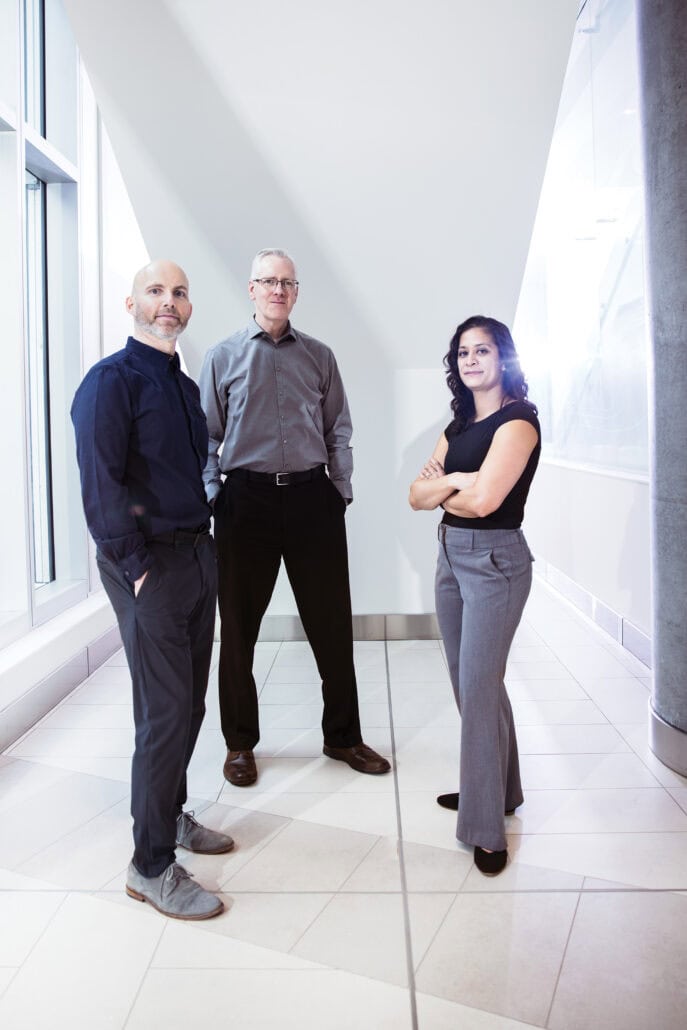
For individuals facing cancer at the Arthur J.E. Child Comprehensive Cancer Centre in Calgary who experience heightened levels of pain, relief may come with an extra dose of care.
When people think about pharmacists, they probably think about the professionals who provide medication. While the Arthur Child’s palliative oncology pharmacy team certainly does dispense drugs, this three-person crew offers much more. Clinical pharmacist Dean England joined the palliative oncology pharmacy program in 2003, hoping to support people experiencing complex, cancer-related pain. His team has since grown to include fellow pharmacists Tatiana Hales and Christopher Ralph. Together, they support outpatients who are receiving active cancer treatments, and who have extreme pain or other symptoms stemming from their cancer or cancer treatment that is so great that standard medication is not sufficient. The pain management compiled by the pharmacy team is offered in collaboration with the individuals’ palliative care physicians and nurse practitioners.
The pharmacy team works with patients to find effective pain management solutions. This may include opioids as well as different combinations of drugs, non-opioid medications or interventional options like nerve blockers, radiation or other procedures. They then monitor responses and continue to tweak the plan as needed to keep individuals with cancer as comfortable as possible over the course of their treatment.
“A lot of our doctors use the analogy of every patient having a recipe,” Hales says. “We’re trying to figure out the ingredients and what the right doses are.”
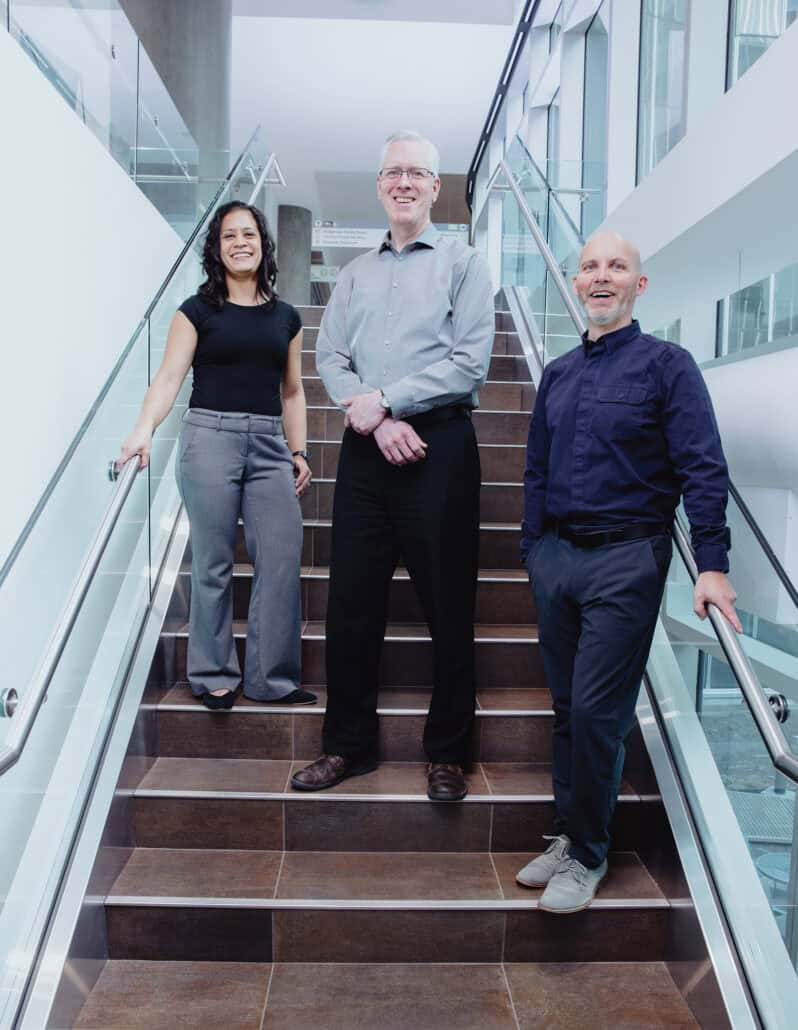
While the number of individuals with cancer that the team works with is relatively small (England speculates they see less than five per cent of all patients who come into the cancer centre for treatment, representing only the most complex and challenging cases), the support and impact is profound. The pharmacists can spend much more time with their assigned patients than oncologists can, meaning England, Hales and Ralph are a familiar support system, helping guide individuals through their pain. Since the team may follow people all the way from their initial days of cancer treatment to either remission or their admittance to hospice over the course of many years, they provide continuity, advocacy and reassurance in a deeply connected patient/provider relationship.
“One of the biggest things we do is create meaningful relationships. A lot of our patients will tell us their pain just feels better after they’re done talking to us,” says England, explaining that this connection is a powerful form of support.