An advanced disease cancer patient navigator offers insights into the importance of end-of-life planning, regardless of one’s prognosis.
By Karin Olafson
Photograph by Ryan Parker
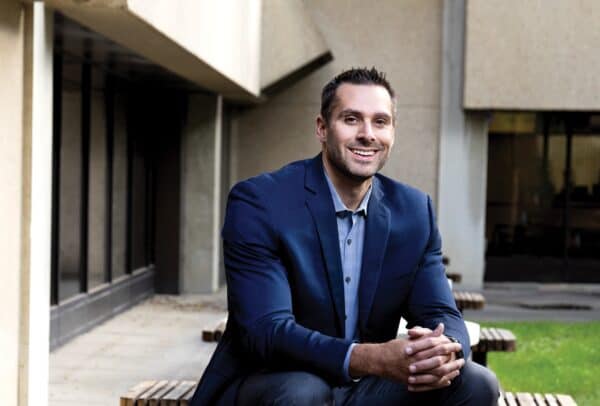
For many, end-of-life planning is something we avoid. But Thy Chan, a registered nurse and advanced disease cancer patient navigator at the Cross Cancer Institute (Cross), sees it as both important and empowering. Since 2014, Chan has worked in oncology, supporting individuals with cancer from their diagnosis and treatment through to advanced disease, discharge and life at home. Since 2021, she has guided patients after their discharge from the Cross. And since 2024, Chan has specialized in supporting Albertans with advanced gastrointestinal cancers through early palliative care, informed decision-making and quality of life-focused care. Here, Chan shares her experiences supporting individuals through end-of-life discussions.

What role does an advanced disease cancer patient navigator play when it comes to end-of-life planning?
“We contribute to end-of-life planning by completing a comprehensive assessment of each patient and their caregiver to understand the physical, psychological, social, emotional, spiritual and practical dimensions of their cancer experience. Our role may include sharing information about a late-stage diagnosis, initiating conversations about goals of care, exploring treatment and supportive-care options and coordinating symptom management. At the heart of our work is a commitment to helping patients with advanced cancer and their families feel understood, cared for and supported at every step.”
“We help transform overwhelming moments into ones where patients feel accompanied, informed, advocated for and empowered as they take their first steps into this new chapter.”
–THY CHAN
How do you suggest individuals with advanced cancer and their families approach the administrative side of end-of-life planning?
“Having an advanced cancer diagnosis in the family is profoundly stressful. Financial worries can make stress feel even heavier. We encourage patients and families to begin the process of going through the legalities: create a will, and select a personal directive agent and an enduring power of attorney. We also encourage patients and families to connect with a lawyer they feel comfortable with and trust — the Law Society of Alberta’s online directory is one helpful way to find a lawyer that fits your needs. And where there is financial strain, we recommend connecting with a social worker to discuss possible financial support.”
What else is important for patients to consider when end-of-life planning?
“Begin with what matters most to you. A meaningful piece of this planning is deciding where you want to live with the remaining time you have left. Do you hope to remain at home? If so, who will be there to care for you?
“It’s also important to think about how you want your life to be honoured after you die. You might reflect on whether you prefer a funeral or a memorial service, whether there is a funeral home you feel connected to and what you hope for in your final resting place.
“Lastly, consider how you want to spend the last chapter of your life. Where do you picture yourself? What’s around you? Intentionally reflecting and sharing these thoughts with those you love helps ensure that your final wishes are carried out with clarity, dignity and care.”
Why is it important to consider end-of-life planning, regardless of prognosis?
“End-of-life planning holds value regardless of an individual’s prognosis. Early exposure to these conversations, gentle encouragement to reflect, and support in beginning the necessary processes all cultivate a sense of preparedness. That readiness brings clarity to patients and families. It restores a measure of control, allowing individuals to shape what they can, while they can.”
Should end-of-life planning feel empowering?
“I encourage us not to see end-of-life planning as morbid or taboo. By preparing early and communicating openly, individuals with advanced cancer offer their loved ones something invaluable: the peace of knowing what matters most and the time to focus on connection. We’re working in service of enhancing each patient’s final moments with more quality time, which is the true reward of the job.”