An upcoming clinical trial in Lethbridge will bring personalized, faster prostate cancer radiotherapy to southern Alberta.
By Derek Clouthier
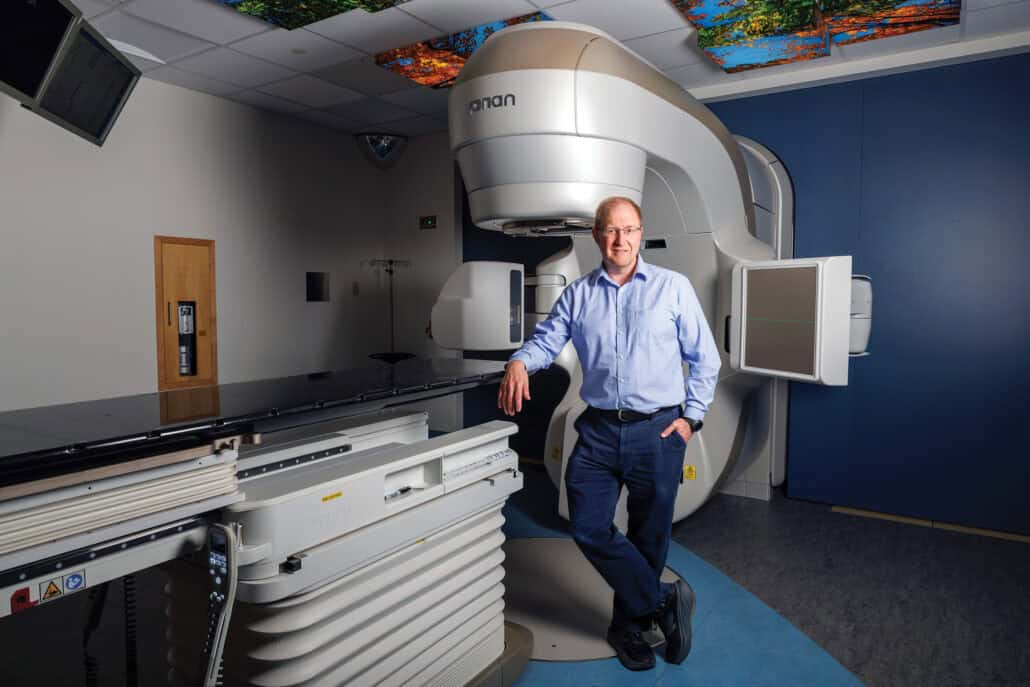
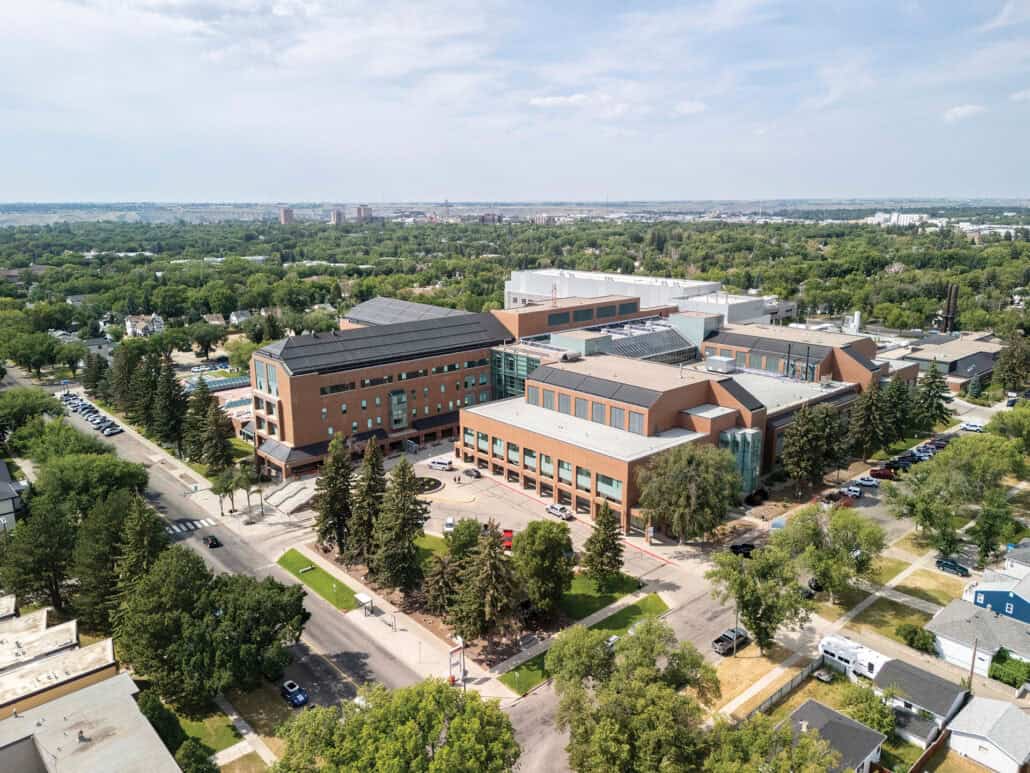
Prostate cancer treatment will take a giant leap forward when the province’s first-ever radiotherapy clinical trial to be run in a community oncology setting begins at the Jack Ady Cancer Centre in Lethbridge.
Radiation oncologist Dr. Abhijit Ghose says the Dose Adaptive Personalized Ablative Radiotherapy (DAPAR) trial will have an immediate impact on Albertans with intermediate- and high-risk prostate cancer by reducing the number of radiation sessions patients must endure and improving access to treatment in southern Alberta.
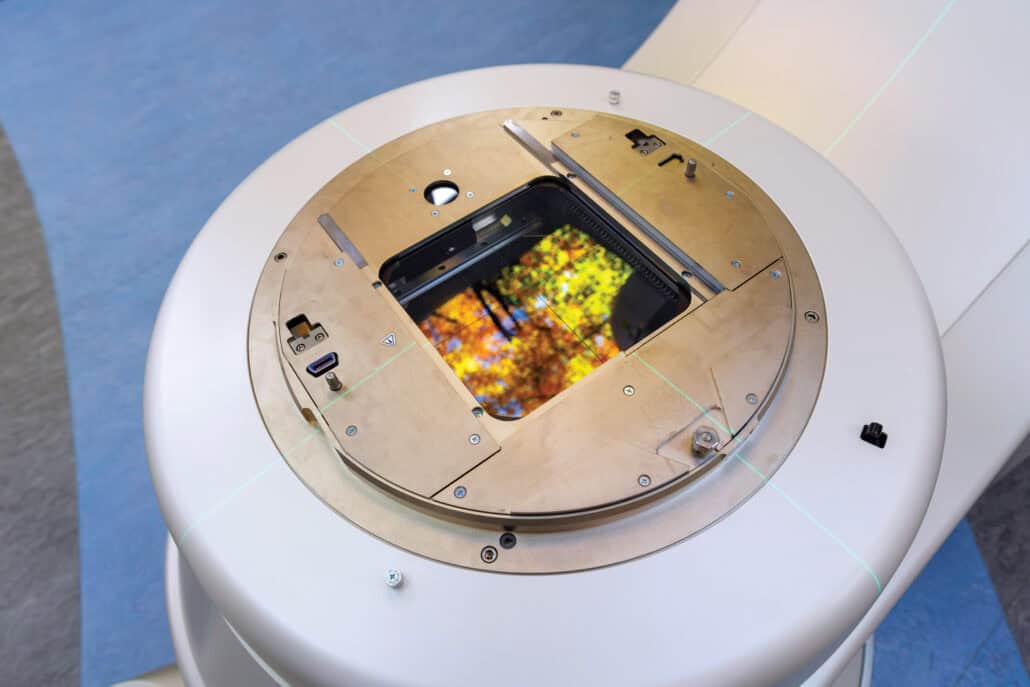
DAPAR is a form of precision oncology: the health care team uses MRI to determine how a patient’s tumour responds after an initial high-dose radiation session, then customizes the second dose based on that response. It’s a dose-adaptive approach, rather than a one-size-fits-all model.
“What previously used to be a treatment that took 40 days — which is eight weeks of treatment, Monday to Friday — has now been shortened to one week and sometimes down to two days,” he says.
Along with Ghose, senior medical physicist Dr. Charles Kirkby is leading the trial, which is supported by the Alberta Cancer Foundation’s Game Changer competition and presented in partnership with the Chinook Regional Hospital Foundation.
Funding from donors helps cover dedicated trial nurses, database and statistician costs and student research involvement. This trial is also fostering better collaboration between the Jack Ady Cancer Centre and the University of Lethbridge, with MRIs performed offsite with the university’s support.
“What the donors recognize is that, ultimately, you are investing in yourself, you’re investing in your own community,” says Ghose. “Whatever advances we can make by virtue of this study come back and repay us in spades. It saves us from having to go to the tertiary centres, from travelling long distances and, at the end of the day, it’s our own friends and family, parents, and sons and daughters who are affected by this.”
The trial’s outcome has the potential to improve care, not only for prostate cancer patients, but system wide. Even if the outcome metrics match the standard of care, offering this treatment at a regional site will allow for care closer to home — reducing burdens on patients while reducing wait times and treatment times.
“More Albertans will be able to access a clinical trial,” says Kirkby. “I think there’s also an element of proof of principle in that, if we’re able to conduct this trial here in a community setting, what that means is you can conduct more trials in community settings. It opens the door for the next proposal, the next trial. The idea is that it will generally expand — it’s not just this trial, but it may open the doors for other trials in the future.”